
Our story
A house built around one bowl of matcha.
Club Matcha was founded in 2026 on a single conviction: that the finest hours are the unhurried ones, and that a drink made carefully sets the pace for everything after it. The ritual is the point — the bowl warmed, the whisk worked slowly, the cup handed over without ceremony or noise. That discipline runs straight through to sourcing: Grade 8A ceremonial matcha, a second-harvest cultivar grown in China, certified organic and released only once its supplier Certificate of Analysis is in hand. One product line, done exceptionally, dressed in the quiet of an old tennis club.
Sourcing
Four steps, none of them hurried.
01
Grown in China
Our leaf is grown and processed by partner gardens in China, chosen after a long search for a house willing to work in small, dated runs and to answer for every batch by name.
02
Grade 8A, second harvest
We take a second-harvest cultivar milled to Grade 8A ceremonial standard — the fuller, rounder cup, deep green in the bowl and sweet enough to be whisked with water alone.
03
Certificate of Analysis
No batch is released until its supplier Certificate of Analysis is in our hands, verifying quality and safety before a single tin is filled.
04
Certified organic, packed small
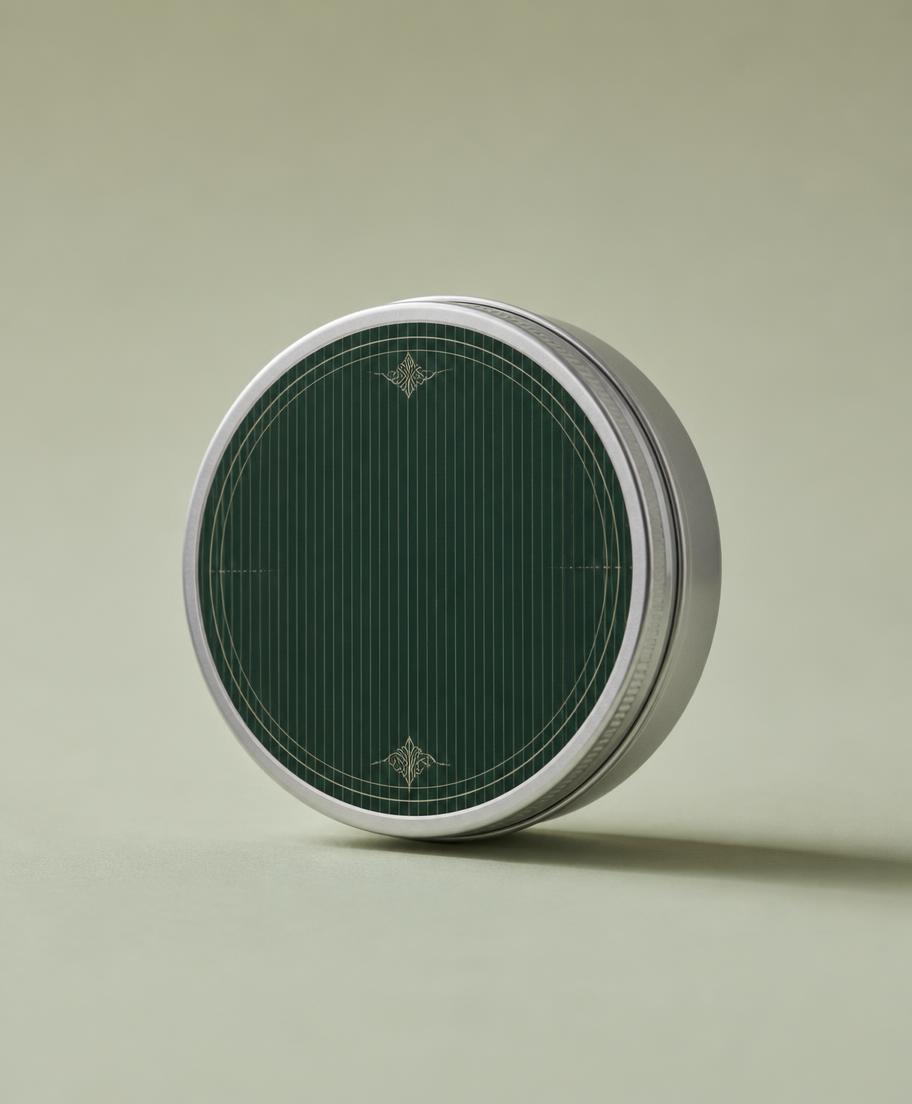
Certified organic leaf, nitrogen-flushed and pressed into pinstripe tins, shipped in small, dated runs.
The clubhouse feeling
Old money is quiet. So is good matcha.
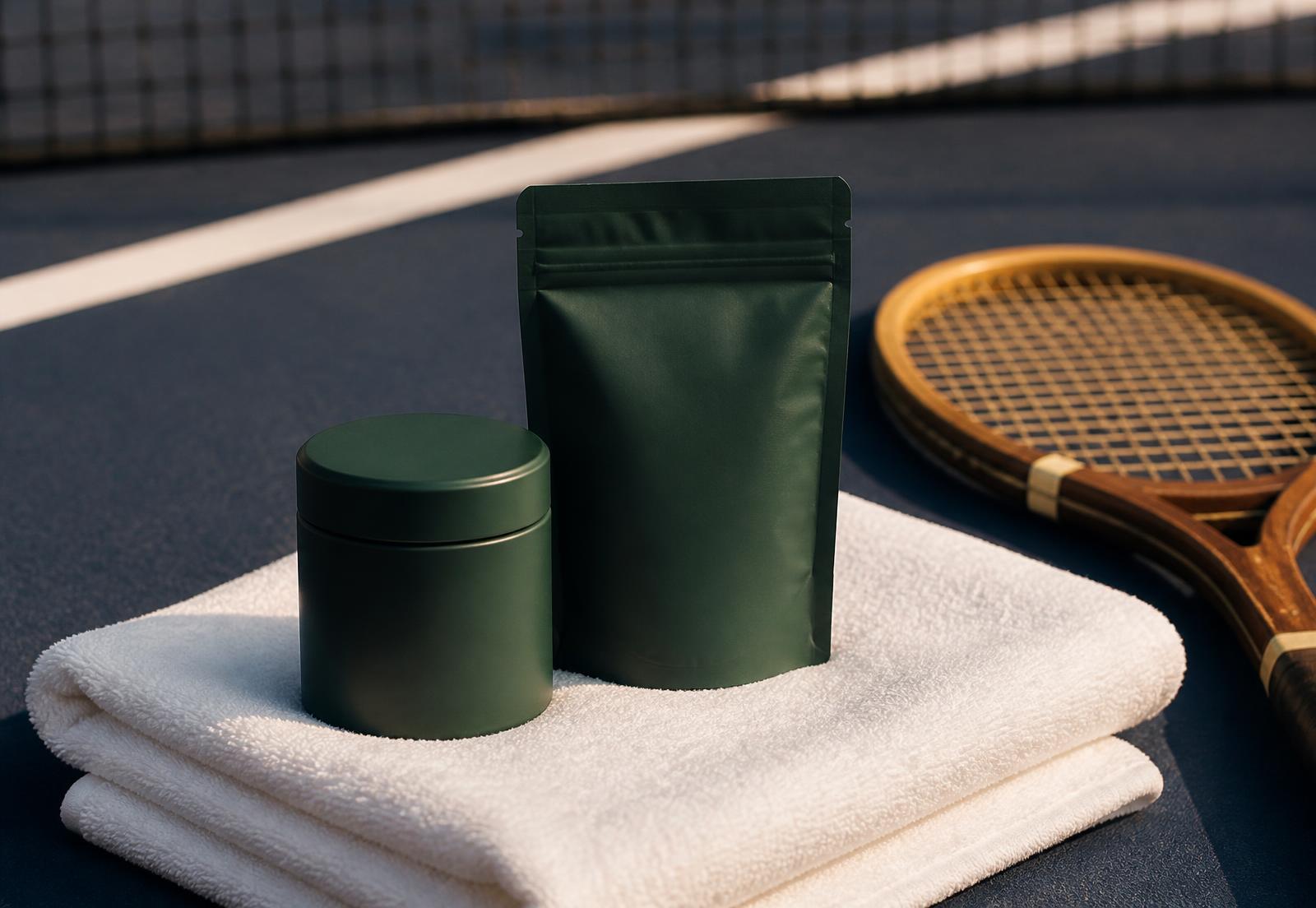
We drew the brand from the parts of tennis that have nothing to do with the scoreboard: cream linen, clipped hedges, the pause between sets, a drink handed over without a word. Navy, green and white pinstripes. A crossed-whisk crest. Nothing shouted, nothing fluorescent, no wellness slogans on the tin. Luxury here is restraint — the confidence to leave the label small.
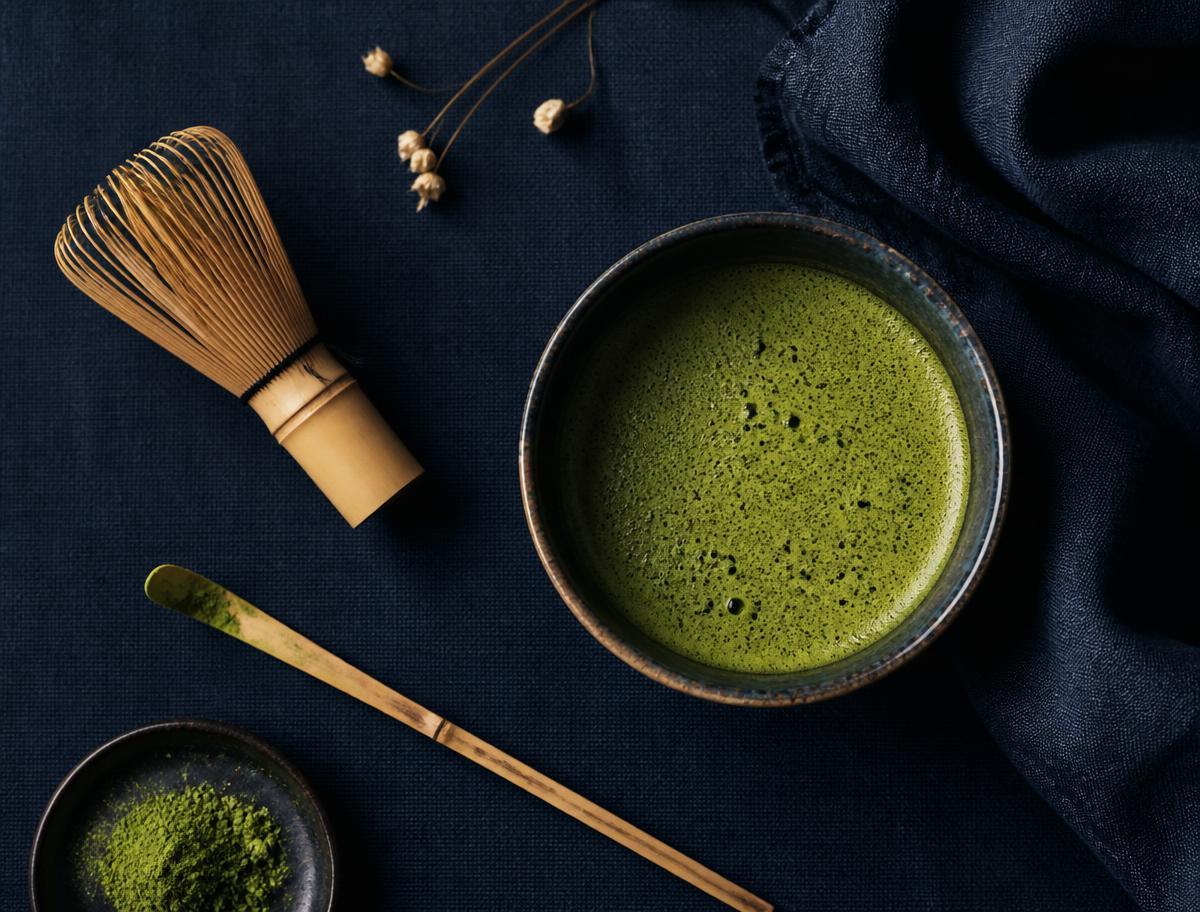
It is a members' feeling without a membership: whisk it at seven in the morning in your own kitchen and the ritual still holds.
Owned & operated
Independently owned and operated.
Club Matcha is independently owned. There is no outside investor deciding how fast we grow, which is why harvests are released in limited, dated runs and why every order is packed by the people whose name is on the tin.